
Save the Ambassador
Dream Center Lake Elsinore is rebuilding lives in this city.
The Ambassador is where that work gets a home.
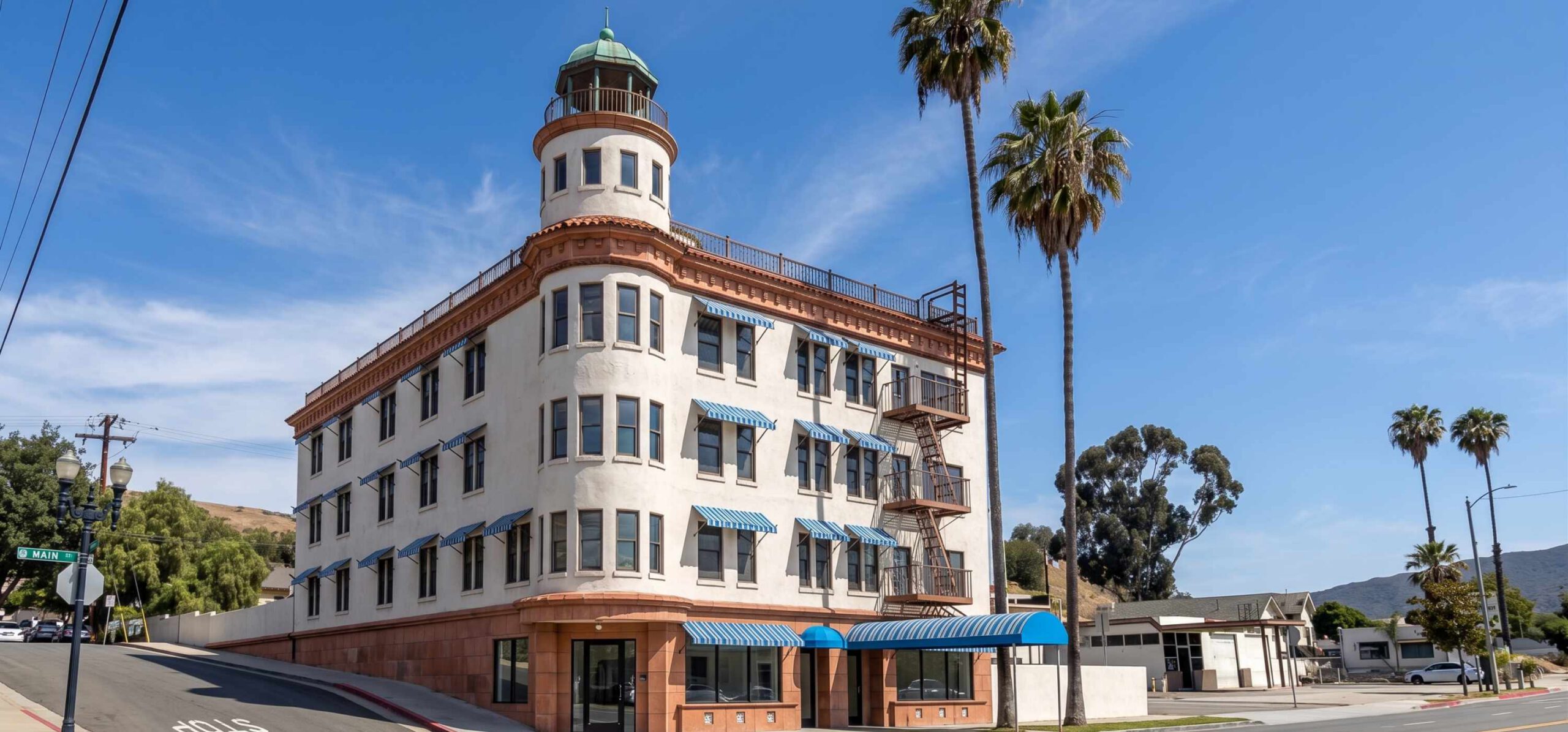
A historic building at Main and Prospect, boarded up since 1992. Dream Center volunteers have maintained it since 2015. The plan is to restore it into a training center with a functional 50’s diner, shared spaces and rentable meeting rooms, guided tours, and a front door open to the whole community.
Latest Updates
See all updates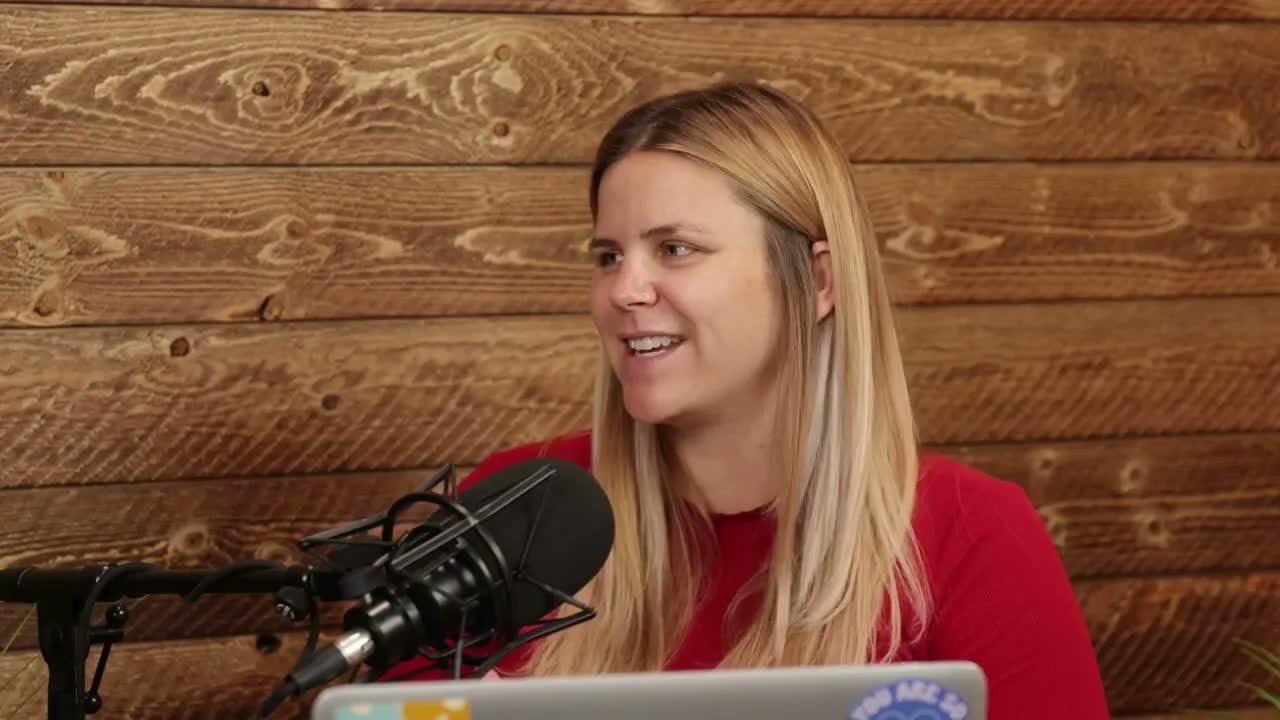
The Whole Story of the Ambassador Project
Aubrey and Brett Masters on why we bought the Ambassador, what we have done since, how the permit process changed, and what we are asking for now.
A Remarkable Development: The Court of Appeal Halts Demolition
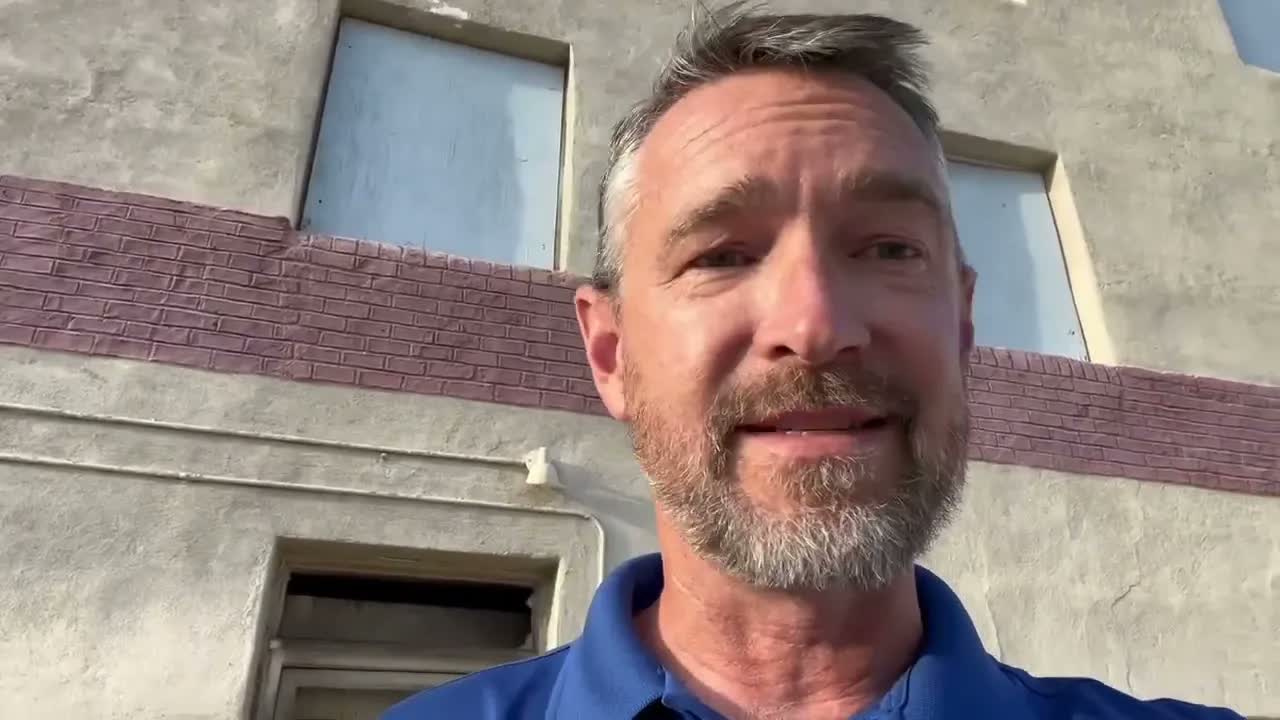
The Court of Appeal granted our emergency writ, halting demolition at the Ambassador. What it means, what it doesn’t, and what to pray for now.
An Urgent Update: Demolition Work Begins at the Ambassador
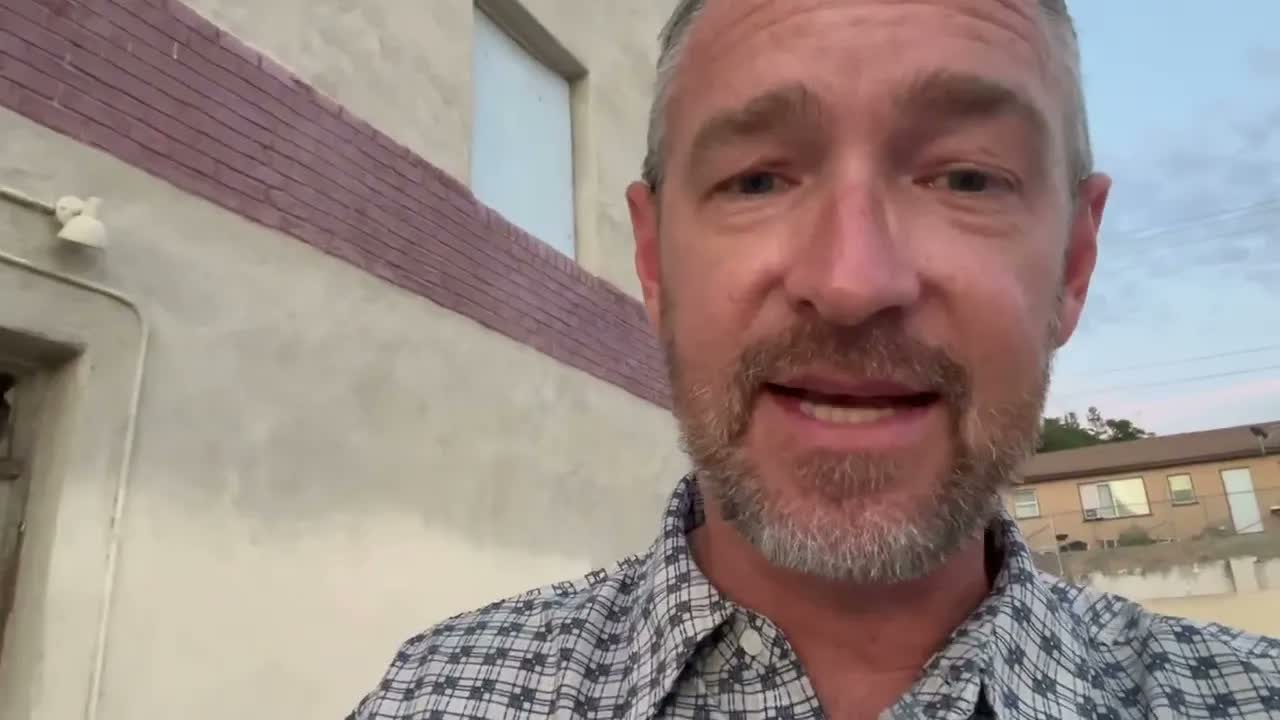
Demolition work began at the Ambassador while our appeal was being filed. What happened, what we asked the court for, and how to pray.
Who’s behind this
About Dream Center Lake Elsinore
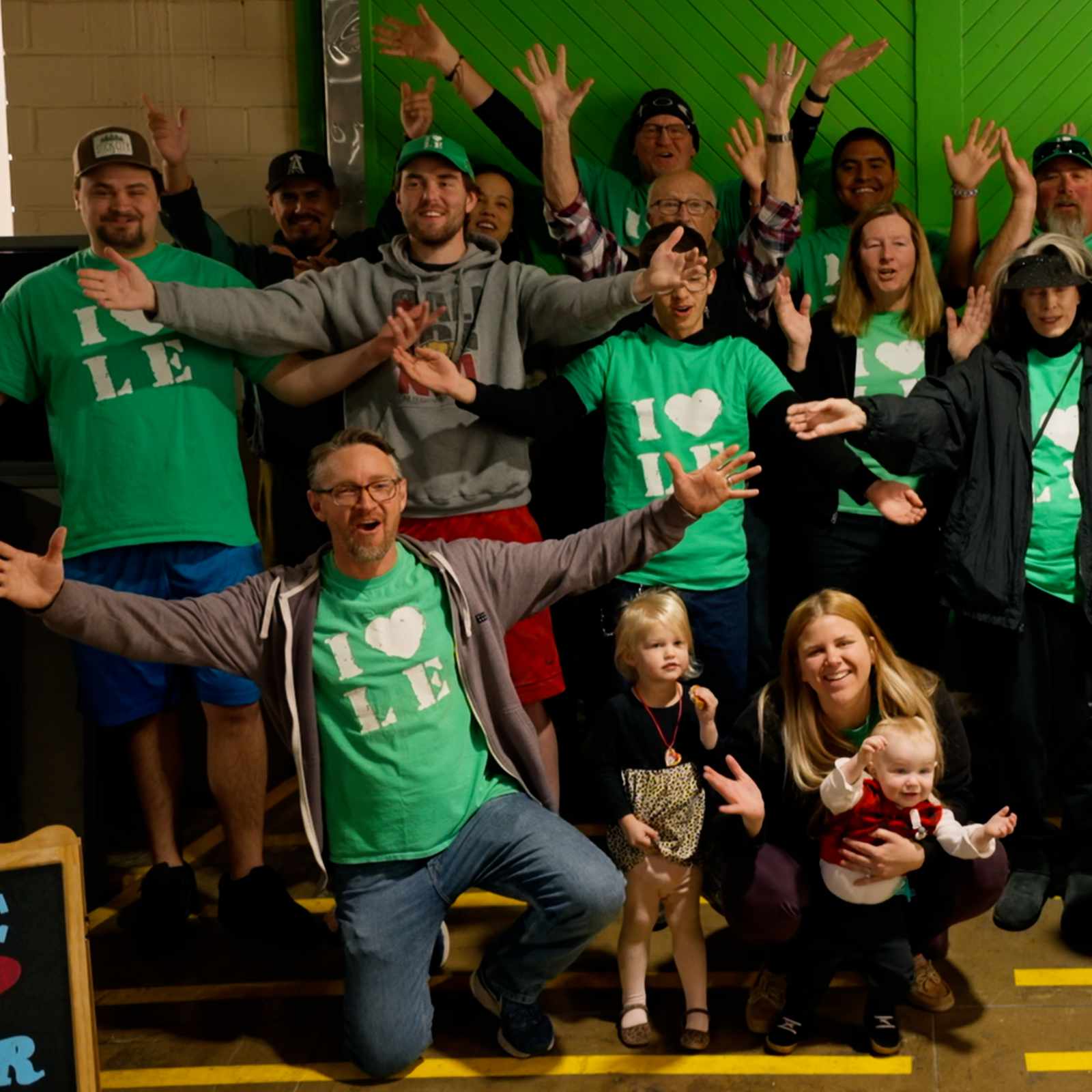
Dream Center Lake Elsinore has been serving this city since 2014. Our mission is to love God, love people, and make disciples. To that end, we have been called to restore and rebuild the people and property of Lake Elsinore — physically, emotionally, and spiritually.
It started with a small group of volunteers. It now runs programs across the valley, week in and week out, on volunteer labor.
Our Programs
Adopt-A-Block
Volunteers walk the same neighborhoods every week, building relationships instead of dropping off supplies and leaving.
DC Pantry
Food for families across the valley.
Youth Programs
Mentoring, sports, tutoring, and a place to belong.
Raising Highly Capable Kids
Parenting workshops and community support that empower families to thrive.
La Taza Community Coffeehouse
An intentional space of hospitality where community is built and lives are changed.
Annual Outreach Events
Three large outreaches a year to bless our community and bring needed resources: Easter Festival, Back to School Bash, and City Serve.
The Ambassador
The Building's History
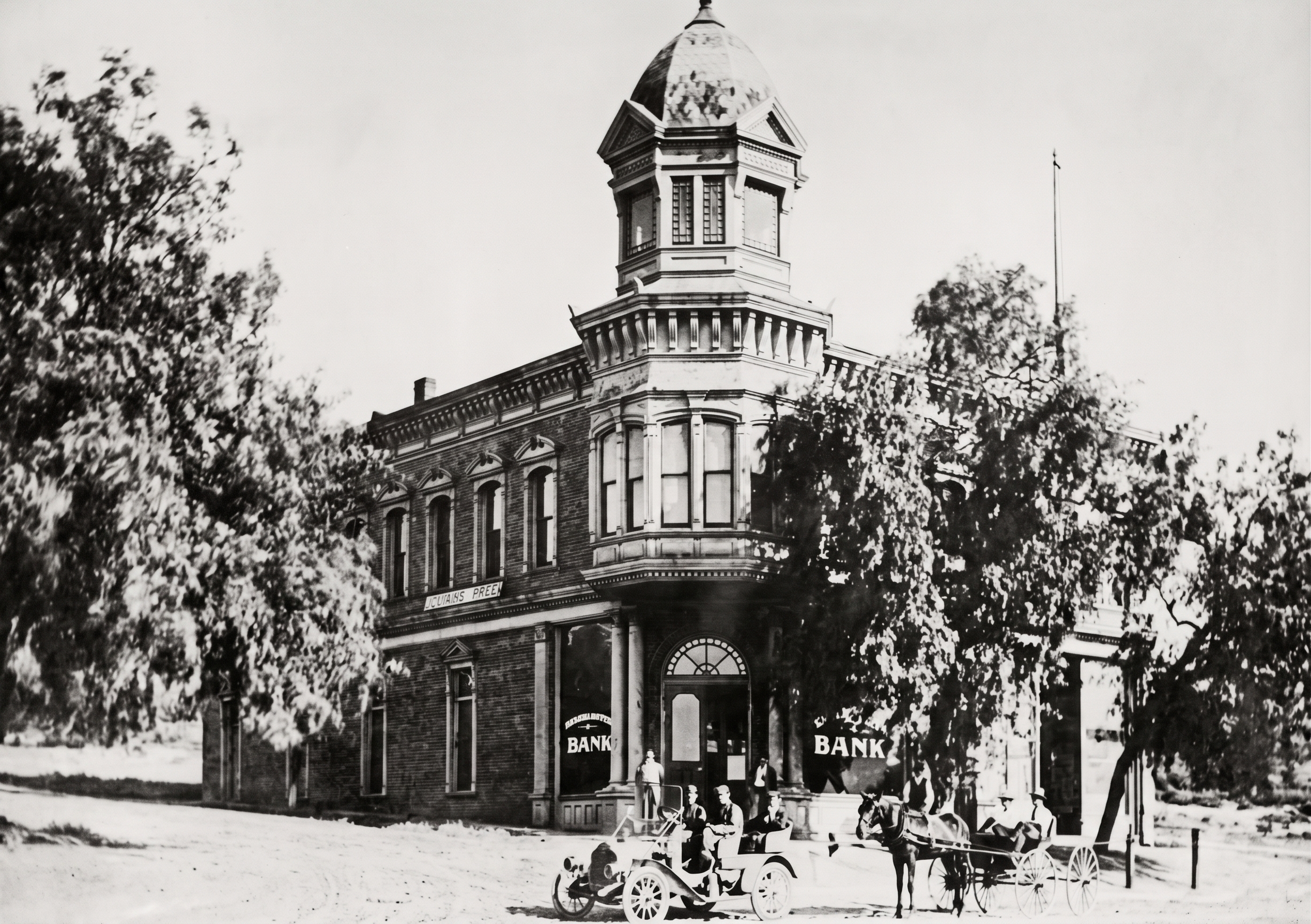
| 1887 | Franklin Heald, who founded Lake Elsinore, builds a two-story Victorian at Main and Prospect. It houses the Exchange Bank, with Heald as president. |
|---|---|
| 1890 | The Exchange Bank and the Bank of Elsinore consolidate. |
| 1907 | The first Elsinore High School class holds classes in the building. |
| 1916 | The building becomes the Ambassador Hotel. |
| 1947 | A major remodel subdivides the two tall floors into four shorter ones and overhauls the exterior. |
| 1992 | Ordered closed after years of poor management and code violations. Boarded up since. |
| 2015 | Dream Center volunteers begin clearing and maintaining the property. |
| 2021 | Dream Center closes escrow on the property. |
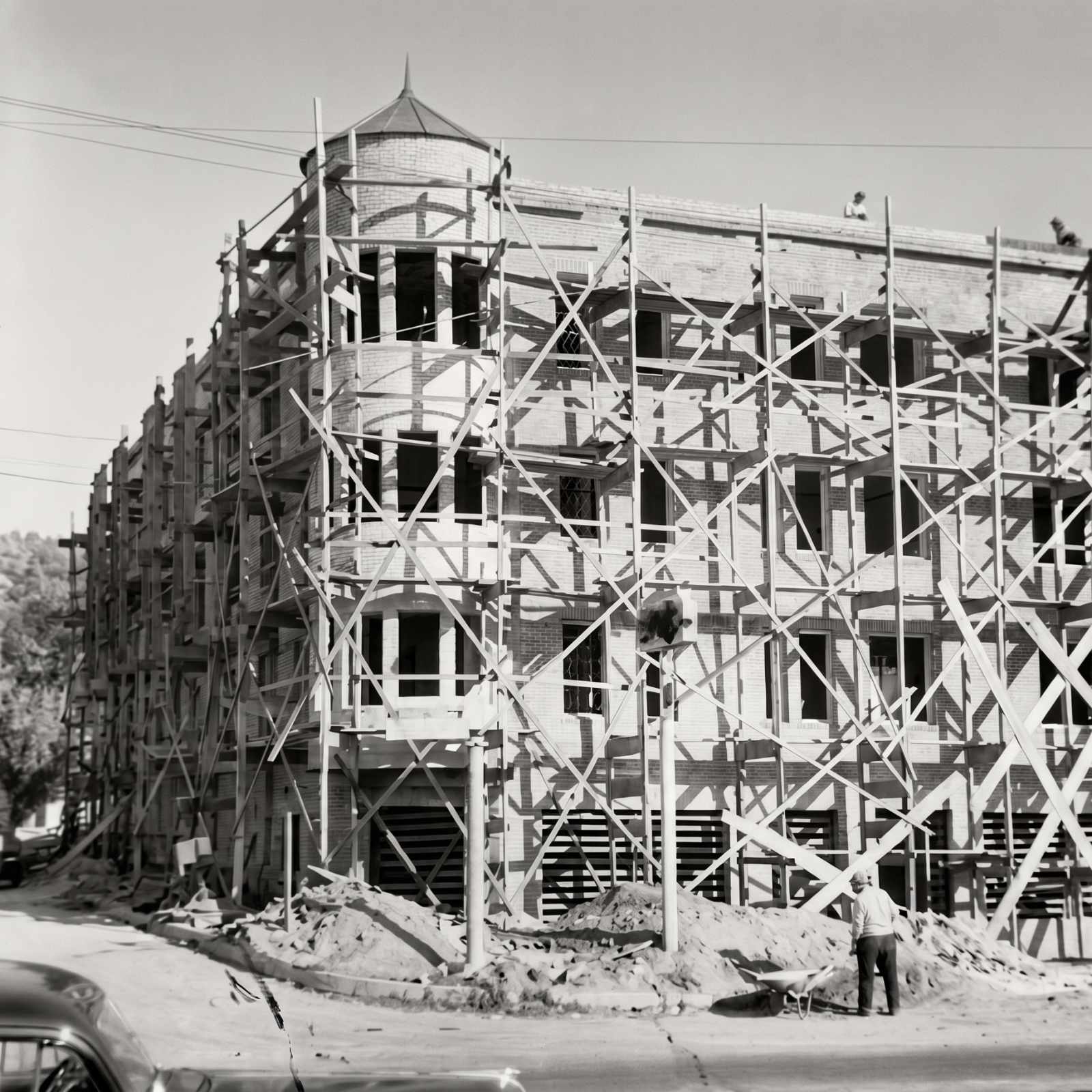
Lake Elsinore has long been recognized as an important part of California’s architectural history.
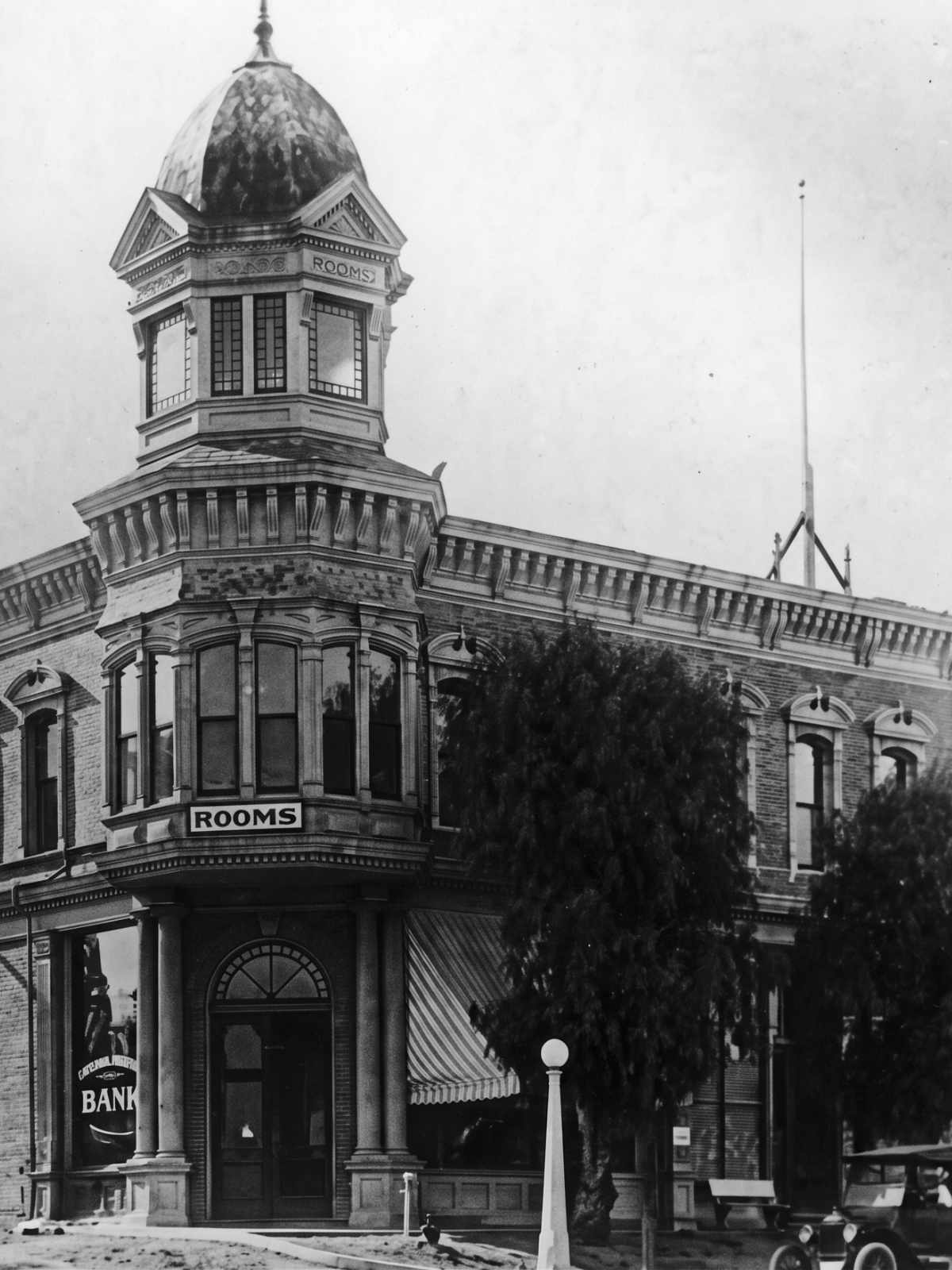
The Ambassador building was originally used as the bank for the town.
Over a Century of Significance in the Community
Before it was a hotel, it was a bank: one of the first permanent things built in this town, put up in 1887 by the man who founded it.
The first Elsinore High School class met inside. The city council held its early meetings in the upstairs hall. Trace where Lake Elsinore started and you end up on this corner.
It became the Ambassador Hotel in 1916 and stayed one for most of a century. In 1992, after years of bad management and code violations, the city ordered it closed. It has been boarded up ever since.
Over Ten Years of Care
Our Record on This Property
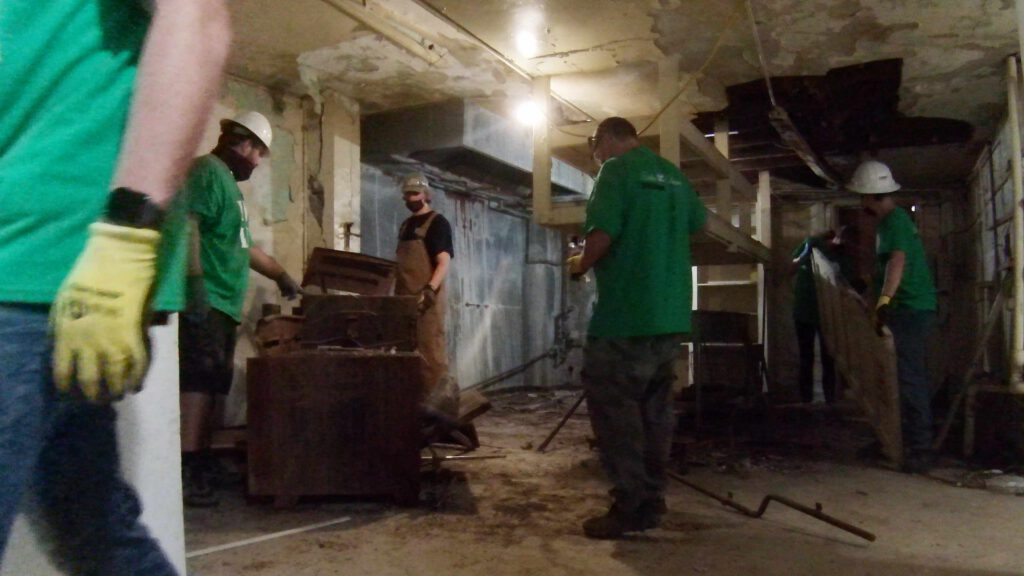
Dream Center volunteers began maintaining this building in 2015 — seven years before Dream Center owned it. That is seven years of upkeep on a property the organization had no legal interest in, done because it needed doing and nobody else was doing it.
Twenty-eight documented work days between 2015 and 2026. This work represents 2,242 worker hours from volunteers in our community.
The Work Itself
Volunteers have:
- Painted the entire exterior
- Cleared the pigeons, and years of what pigeons leave behind
- Taken bee hives out of the attic
- Pumped out the pool
- Hauled roughly twelve forty-yard dumpsters of debris off the property
- Boarded windows and doors, and boarded them again when they were knocked out
- Trimmed the palms, cleared the weeds, and covered the graffiti, repeatedly
- Pulled about a dozen rusted-out cars off the back lot
- Installed security lighting and cameras
Who Did the Work
Much of it happened through Clean Extreme, Convergint Day, and City Serve: days when whole crews show up. The first, in 2015, was a citywide cleanup done alongside the City of Lake Elsinore.
What it becomes
The Restoration Plan
Picture the corner of Main and Prospect on an ordinary Saturday.
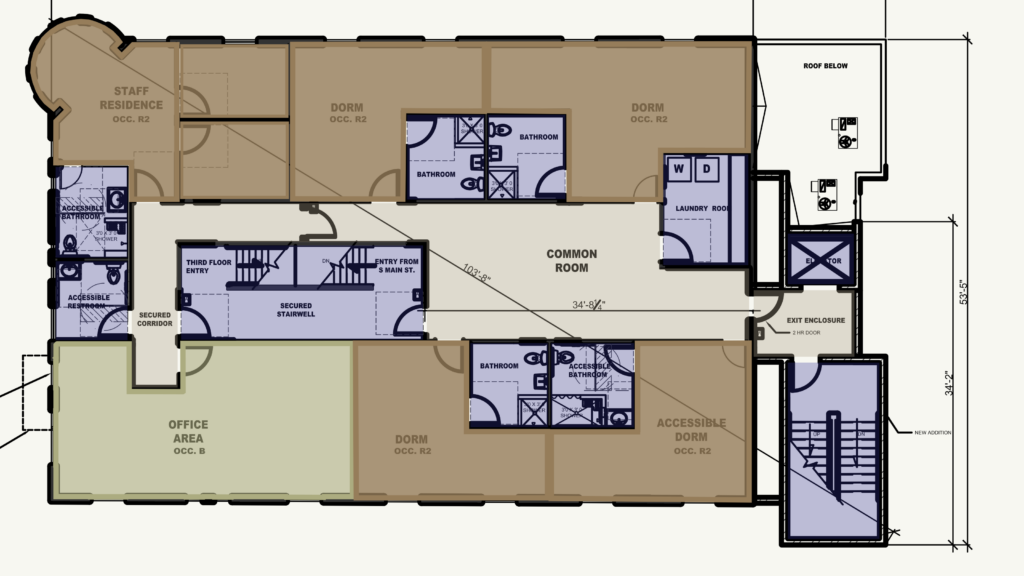
Inside the Building
The upper floors hold classrooms, offices, and dorm-style rooms for people rebuilding their lives. Residents also have a rooftop patio, a pool, and an outdoor recreation area. Those are for the people living and working in the program rather than open to the public.
Open to the Public
These spaces and additional offerings, located on the bottom floor, are open to the public.
The 50’s Diner
A restaurant open to the public, six days a week, breakfast through dinner. Staffed by residents going through Culinary Arts programs. For some, the first job they’ve kept.
Meeting Rooms
Space local businesses and groups can rent in the heart of the city.
Tours
The building and the historic downtown around it, led by someone from here who knows the stories.
Who it’s for
The Residential Program
The program at the center of this is DC Discipleship. Residential, for periods longer than six months up to two years, for men, women, and families moving from dependency toward standing on their own. Housing, food, education, and mentoring, free to the participant.
Getting in means an application, an interview, and a background check. Residents work out a plan with their own goals in it and are assigned a mentor they’re accountable to. The building has a security card access system controlling its different areas.
The days are full: community service in the morning, class in the afternoon, recovery groups in the evening. Curfew is 10 PM. The building holds 64 people in total, including on-site staff.
The program rests on community service, with spiritual formation, recovery, and practical life skills built on top of it.
The structure exists to clear out the noise long enough for someone to build something underneath them.
By the Community, For the Community
The people who live at the Ambassador will be people who already live in Lake Elsinore. They grew up in this town, went to school here, have family here. Nobody is being imported. This is being built for people who are already home.
Can it be saved
Restoration Feasibility
A building boarded up since 1992 looks like a lost cause. Before the project went forward it was tested against the question a donor would ask: would building new be cheaper?
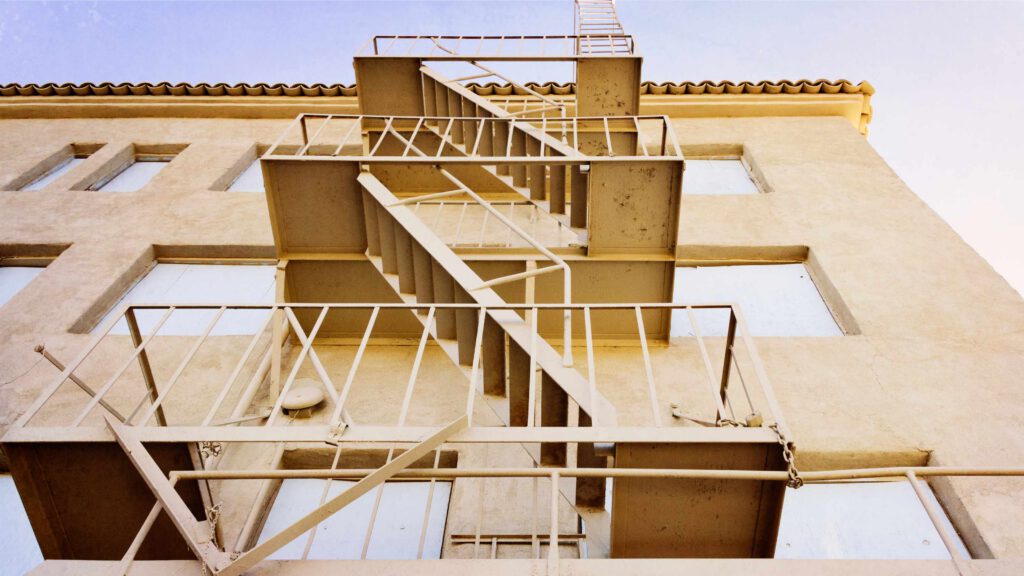
Cost Compared to New Construction
Three contractors bid the restoration in 2019 and 2020, all of them confident it could be done. Their bids ranged from roughly $4 million to $6 million for the same capacity a new building would need: commercial kitchen, classrooms, offices, residential space, multiple floors.
DCLE’s own architects ran a full construction budget comparing restoration against new construction, and went in expecting to recommend building new. They finished the analysis acknowledging the two approaches would cost about the same.
Restoring the Ambassador came back at roughly the cost of building new, and possibly less.
Less, because a restoration can absorb volunteer labor and donated materials that a new build cannot, and because it can be done in phases as funding comes in.
Structural Condition
Structural engineers examined the foundation and the walls. Those walls have stood since the 1880s, and the engineers’ assessment was that they remain as plumb as the day they were built.
Seismic Work
Structural engineers assessed the building in 2021 and returned to re-examine it in June 2026. Their conclusion both times was that the building can be brought back.
The 2021 report found the building “in good structural condition for a building of this age” and concluded that “with proper retrofitting, this building can become a well performing building.” It set out what that retrofitting involves: strengthening the unreinforced masonry walls, improving the connections between walls and floors, and repairing deteriorated framing.
The 2026 re-examination was better news than the first. Two of the concerns flagged in 2021 turned out not to be supported on closer inspection. The engineers were direct about where the building stands today and where it can get to: it does not currently meet the structural requirements to be occupied, and it “can become occupiable with repair and seismic retrofit.”
That is what a restoration of a building this age involves, and it has been the plan from the beginning.
The building is not a lost cause. It has been waiting.
The location
Why Downtown
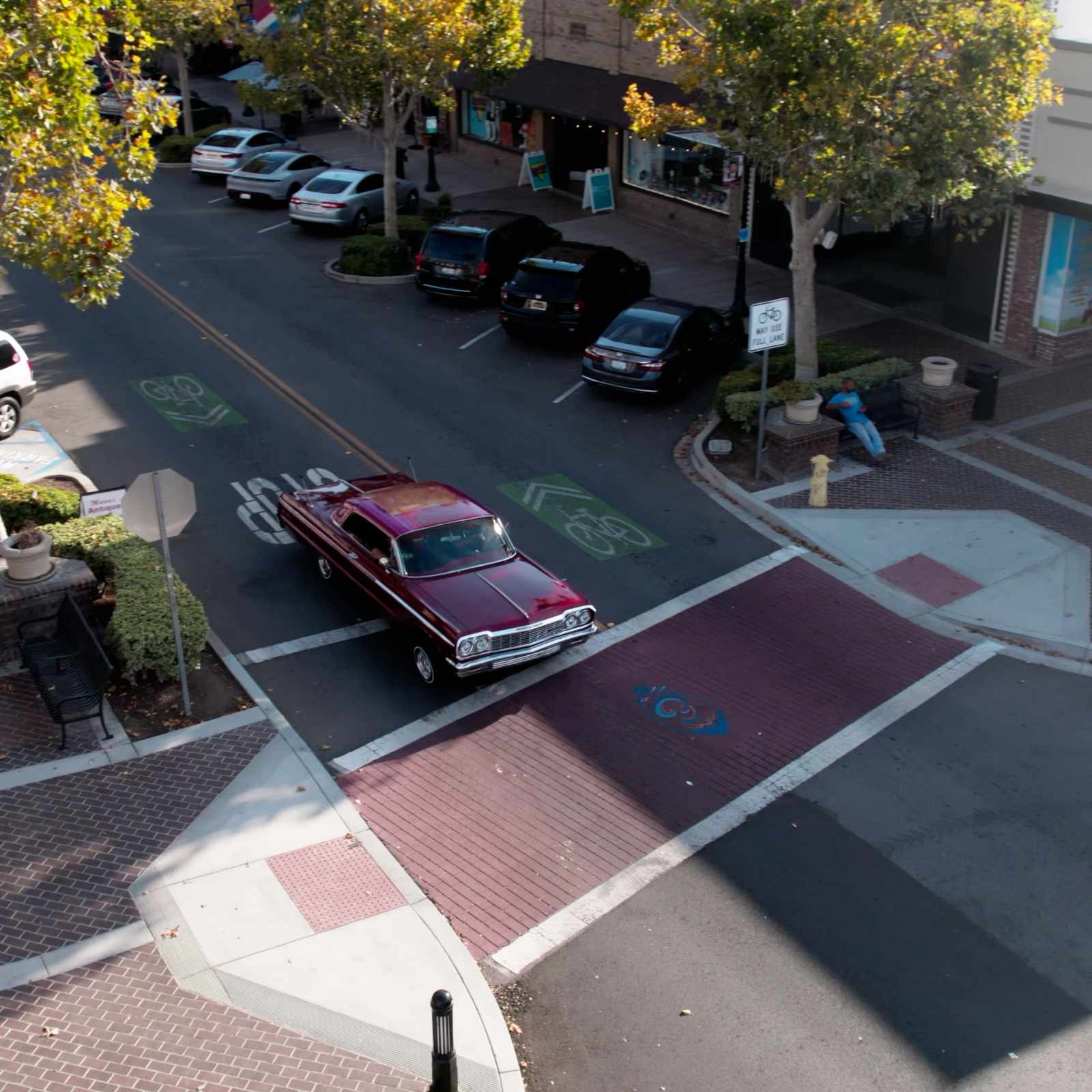
When a town keeps organizations like the Dream Center to the margins and the outskirts, it sends a message: we don’t want to see you.
We believe this beautiful and historic city should be known as a community that cares for, uplifts, and deeply values all of its residents. That belief is why the work belongs in the heart of the city rather than out of sight of it.
Main Street is the heart of historic downtown, and downtown is the heart of Lake Elsinore. Where the heart goes, the rest of the city follows. Every ship rises with the tide.
What It Does for the Block
Anyone in real estate will tell you that a broken window or a little graffiti discourages buyers, families, and developers from taking a chance on a block. The most prominent building in downtown Lake Elsinore is currently boarded up. Restoring it takes that deterrent off the corner.
A diner, guided tours, and rentable meeting space bring people to a block they currently walk past. Those businesses generate sales tax that doesn’t exist today, and they employ program residents and graduates on site.
Nonprofits do pay taxes, incidentally. The idea that they don’t is a common misunderstanding.
Getting involved
Common Questions
Is This a Homeless Shelter?
No. The Ambassador will house a residential training program: application, background check, assigned mentor, curfew. Residents commit to a stay of longer than six months, up to two years, of structured work on their own lives.
That’s different from a shelter, and different from a soup kitchen. Both are good and necessary — Dream Center runs a food pantry. This building is for something else.
Who Will This Bring Downtown?
Mostly people who are already here. The program serves Lake Elsinore residents — people who grew up in this town and have family in it.
The people who come from outside are the ones who show up to help: volunteers, work teams, supporters. That has been the pattern at every Dream Center, and the pattern here for a decade.
What Happens to People Who Don't Finish?
Some people won’t finish. No program has a hundred percent success rate, and pretending otherwise would be dishonest.
When someone doesn’t finish, they don’t stop being known here. Most people who get their lives back needed more than one run at it, and the door stays open for the next one.
The other half is just as true: once someone is in this program, the excuses are gone. There’s a bed, a plan, and people who are for them. What they do with that is theirs to answer for.
Does the Faith Part Matter if I'm Not Religious?
Dream Center is a Christ-centered organization and doesn’t hide it. That’s a fair thing to ask about.
But whether or not you consider yourself a religious person, you might consider that it just could be possible that a vibrant spiritual life has a positive impact on every other part of someone’s life: their relationships, their work, how they show up for their family.
You don’t have to share those convictions to want this to work. Plenty of the people who’ve helped build it don’t.
More Questions
What Is the Ambassador Project, Exactly?
The Ambassador project restores the historic building at Main and Prospect into a training center.
The core is a residential program where people rebuild their lives. Around it sit a diner, meeting rooms, guided tours, and other possible shared spaces — parts of the building anyone can use, whether or not they ever set foot in a program.
What Will Happen in the Building Day to Day?
Residents are up early: community service around town in the mornings, class in the afternoons, recovery groups in the evenings.
The building also hosts people who come to serve — individuals and work teams helping with projects and joining the daily work.
The public side runs on its own schedule: the diner six days a week, tours, and meeting rooms available to book.
How Will Safety Be Handled?
Everyone in the residential program applies, interviews, and clears a background check. There’s a curfew, a code of conduct, and an assigned mentor. Staff live on site.
Dream Center has operated clean and functional properties in this downtown for a decade and intends to keep that record. The neighbors here are the neighbors whether or not they ever walk through the door.
How Does the Project Pay for Itself Once It's Open?
The building carries part of its own cost. The diner generates revenue, the meeting rooms and shared spaces can be booked, and that income goes back into running the place.
The rest comes the way it always has: from people and organizations who want the work to continue. That’s been the model since 2014.
Save the Ambassador
Four Ways to Help
Volunteer
There’s a place for you here, whatever you’re good at. People pack food boxes, walk blocks, run sound, teach kids, swing hammers, pray with strangers.
Some of the best volunteers here arrived with no church background at all and stayed because the work was worth doing.
You don’t need to know where you’d fit. Figuring that out is literally somebody’s job.
Speak Up for the Ambassador
Send a note to the City Clerk at calvarez@lake-elsinore.org and ask that it be entered into the public record as correspondence to the City Council.
| Council meetings | 7:00 PM, 2nd and 4th Tuesdays |
|---|---|
| Where | Cultural Center, 183 N Main Street |
| Agendas | lake-elsinore.org/204/Agendas-Minutes |
Pray
If you pray, pray for this. For the building and the people who’ll live in it. For this city and the people who lead it. For wisdom for everyone with a decision to make.
Pray however you’re led to pray. We’re not asking you to join anything.
Stay Connected
We’ll send updates as this unfolds: what’s happening with the building, what’s happening with the work, and the occasional thing you can do about it.